

Overview
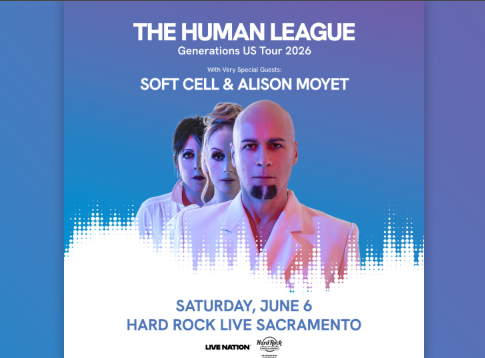
The early 1980s marked a pivotal moment for The Human League in terms of lineup and musical direction. In 1981, the group's transformation began with recruiting new members Joanne Catherall and Susan Ann Sulley, two teenage girls discovered by lead vocalist Philip Oakey dancing in a Sheffield nightclub. This serendipitous encounter led to a revamped formation that would define the band's most successful era.
The Human League's journey from the forefront of the electronic music revolution in the early 1980s to their current status as enduring icons reflects their profound impact on multiple generations. Their innovative use of technology and pop sensibilities not only defined the sound of the 1980s but also laid the groundwork for future generations of musicians. The band's ability to evolve while staying true to their core sound has ensured their continued relevance in an ever-changing musical landscape.
As torchbearers of the synth-pop genre, The Human League's legacy is a testament to the power of music to transcend time, continually inspiring and resonating with listeners worldwide. Their influence can be seen and heard in today's music as new generations of artists and fans discover and celebrate the pioneering sounds of The Human League. From their early hits to their ongoing contributions to music and culture, The Human League remains a vital and influential force, bridging the past and present through their timeless music.
The Human League's story is one of innovation, resilience, and enduring appeal. Their music, characterised by its emotional depth and technological innovation blend, continues to inspire
and captivate audiences worldwide. As they continue to perform and create, The Human League stands as a testament to the enduring power of music to connect people across generations, reminding us of the transformative power of pop music and the timeless allure of electronic sounds.
Map
Related
3317 Forty Mile Rd Wheatland, California 95692